

The Social Shift Casinos Can't Afford to Ignore
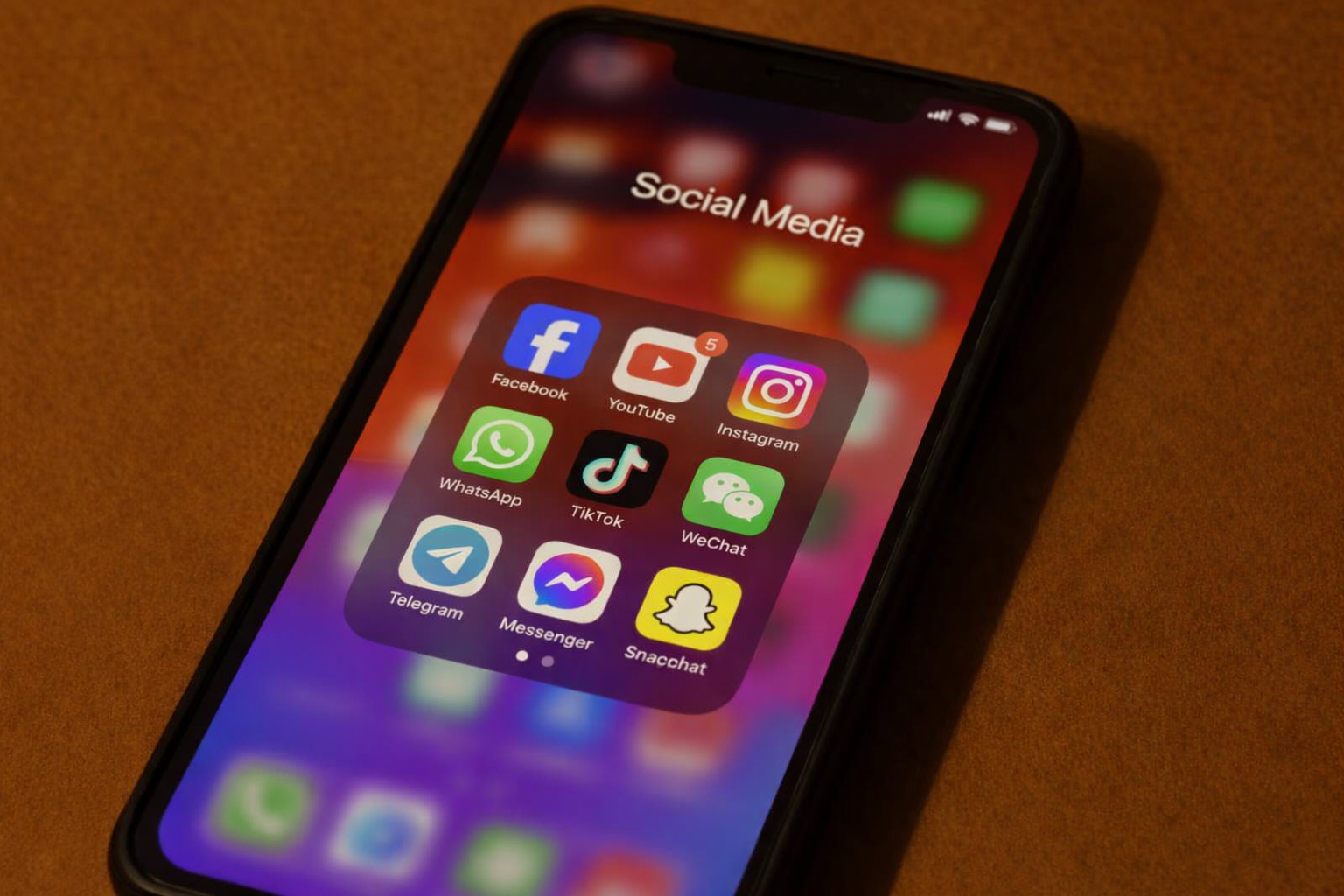
For years, casino and hospitality marketers have relied on the same set of tools: direct mail, offers, signage, broadcast, and the occasional social post. And for a long time, that approach did what it needed to do. It reached loyal players, filled rooms, and kept revenue moving.
But the world around us has shifted. And the rest of the marketing industry has already adjusted.
When companies like Unilever, Clorox, and Amazon redirect billions of dollars toward social, restructure marketing teams around creators, and start using social insights to make decisions once left to research teams, that is not a passing trend. It is a clear signal that the way people discover experiences has fundamentally changed. By the time someone sets foot on your property, they have already formed an impression based on what they’ve seen online.
That first impression is happening in the feed.
Casinos Rarely Put Social First, and It Shows
Our nationwide gamer surveys make this even clearer. About 45 percent of players say they don’t follow casinos on social media or never engage with casino content. That doesn’t mean they dislike the property, and it doesn’t mean they’re not on social. They are. They’re just not seeing anything compelling enough to follow.
That’s the real opportunity. Not to post more. To post something people actually want to watch.
Imagine a casino’s social presence reflecting the energy on the floor. The behind-the-scenes moments that guests never see. The dining experiences. The real reactions. The atmosphere of a busy Saturday night. This is what a true social-first mindset creates.
Social First Doesn’t Mean TikTok Only
Casino audiences are not the same as beauty shoppers or Gen Z trend chasers. They spend most of their time on Facebook and Instagram, with some engagement on TikTok and YouTube. They follow people they trust. They respond to authenticity. They gravitate toward experiences that feel real, not overly produced.
A social-first approach for casinos should play to those strengths.
- Show the food that makes people book a dinner.
- Show the drinks that get shared in group chats.
- Show the wins that turn casual guests into regulars.
- Show the staff who actually shape the guest experience.
- Show the vibe of the place on a Friday night.
Traditional channels still matter for the final push, but social is increasingly where interest begins.
Your Staff Could Be Your Best Content Team if You Plan Ahead
One of the most powerful content sources casinos already have is their own employees. No one has better access to meaningful moments than the people behind the scenes: hosts, bartenders, dealers, chefs, security, housekeeping. They see the story unfolding every day.
But simply handing someone a phone and saying “go make content” is a recipe for chaos.
Before involving staff, properties need:
- A clear content strategy
- A defined brand voice
- Safe filming guidelines
- Themes and ideas for what to capture
- A simple approval process
- A way to make participating fun, not a chore
When you give staff a framework, they bring the property to life in a way that no agency or production crew can replicate. It feels real because it is real.
Drop Culture Has Hit Hospitality
Starbucks’ Bearista launch and Stanley’s never-ending cup craze weren’t flukes. They tapped into a cultural shift: consumers love limited items, collectible moments, and the thrill of getting something before it’s gone.
Casinos are uniquely positioned for this kind of energy but rarely take advantage of it.
- Imagine collectible chips treated like limited releases.
- Imagine chef specials that drop for one night only.
- Imagine new slot banks introduced the way sneaker brands launch new designs.
- Imagine tier benefits that people actually want to show off.
Casinos already have the raw ingredients. They just haven’t been packaging them for the social world.
Creator Content Outperforms Polished Advertising
Today’s consumers trust people more than brands. Casinos don’t need mega-influencers. They need relatable voices. Local personalities. Hosts with charisma. First-timers sharing their honest experiences. A bartender explaining a signature drink. A guest catching a bonus round on camera.
This isn’t about pushing promotions. It’s about showing what the experience actually feels like.
That’s what builds interest and, eventually, visitation.
The Future Belongs to Casinos That Listen
The brands dominating social, inside, and outside gaming do something simple but powerful: they pay attention. Social feedback is no longer just likes and comments. It’s guest sentiment. It’s menu testing. It’s entertainment research. It’s loyalty insight. It’s a pulse on what matters.
When casinos treat social as intelligence rather than an obligation, they unlock a deeper understanding of their guests than they’ve ever had access to.
The Moment Is Here
Casinos don’t need to abandon traditional marketing. But they do need to acknowledge where attention begins. Before the mailer. Before the email. Before the reservation. It starts with what people see online and how it makes them feel.
A social-first casino isn’t one that posts nonstop. It’s one that understands how culture moves and participates in it.
The properties that embrace this shift will win younger audiences, deepen loyalty, and stay relevant in an increasingly competitive landscape.
And the ones that don’t may find themselves wondering when the industry moved on without them.
At Catalyst Marketing, we’re here to help you stay ahead of the latest trends and advertising opportunities. We partner with Native American casinos to build adaptive, resilient strategies that drive sustainable growth.
Want to learn more? Catalyst is here to help. Contact us at info@teamcatalyst.com.