

The Loyalty Paradox: What Seasoned Skeptics Tell Us About Casino Marketing
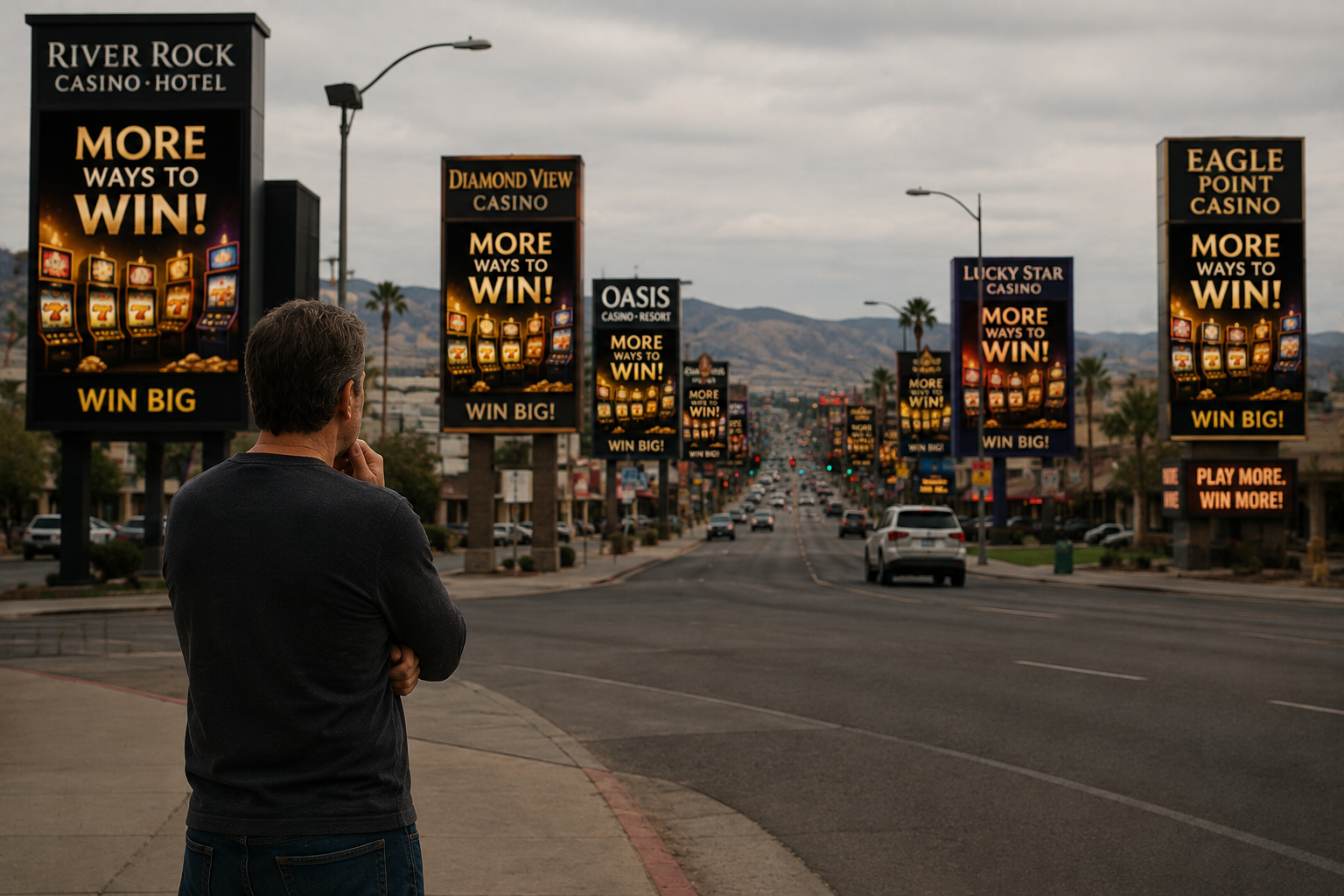
Casino operators know more about their customers than ever. Player databases, loyalty programs, and increasingly sophisticated technology allow marketers to personalize offers down to the individual.
The assumption is simple: better data leads to stronger loyalty.
But our national research of 5,000 tribal casino guests suggests otherwise: years of experience with casinos and their marketing may make a significant share of consumers harder to impress.
We call them Seasoned Skeptics.
Three Very Different Casino Consumers
Our research identified three mindsets. Strategic Loyalists value recognition and loyalty programs and are comfortable sharing their preferences. For Casual Explorers, gaming is one of many entertainment options, and a deep casino relationship holds little appeal.
Seasoned Skeptics fall between them: still active customers, but more critical of the relationship casinos offer.
Casino Consumer Segments
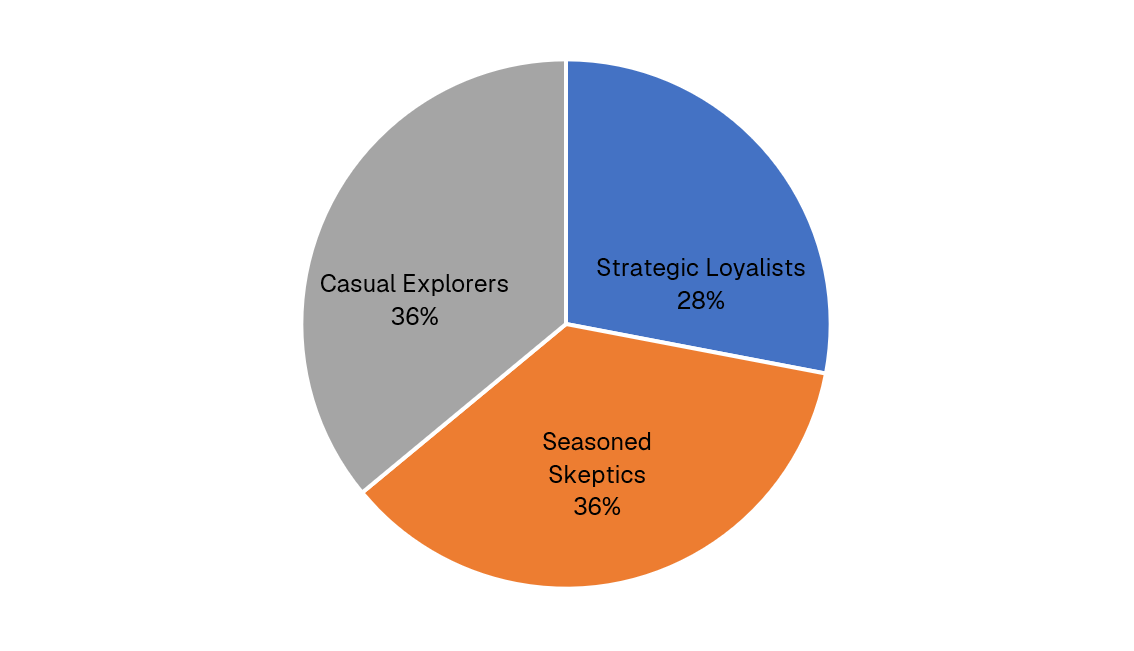
More Than One-Third of Casino Guests Are Seasoned Skeptics
Seasoned Skeptics represent 36% of the 5,500 tribal casino guests surveyed—one of the two largest mindsets in the research.
Experience Has Changed Their Expectations
Seasoned Skeptics know casinos. They understand promotions, have joined loyalty programs, and have seen years of offers across brands.
That experience has created a sense of sameness.
The Differentiation Problem
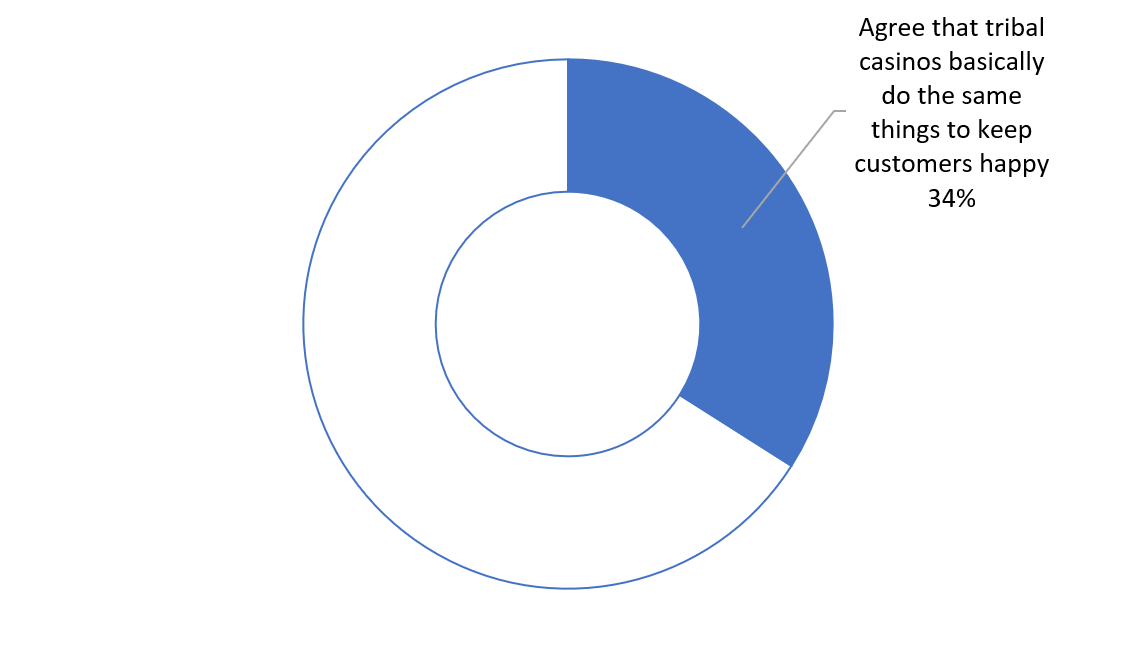
Thirty-four percent agree that tribal casinos basically do the same things to keep customers happy.
Brands, amenities and loyalty structures may differ, but marketing still relies on a familiar toolbox: free play, multipliers, drawings, gifts and offers.
To an experienced player, another promotion can look like more of the same.
The challenge is giving them a reason to believe one casino is meaningfully different.
The Difference Between a Loyalty Program and Feeling Loyal
Their view of loyalty reveals a deeper tension.
They do not reject loyalty; many believe casinos should prioritize customers who have already demonstrated it.
Yet they question whether the system works for them.
How Seasoned Skeptics See Loyalty
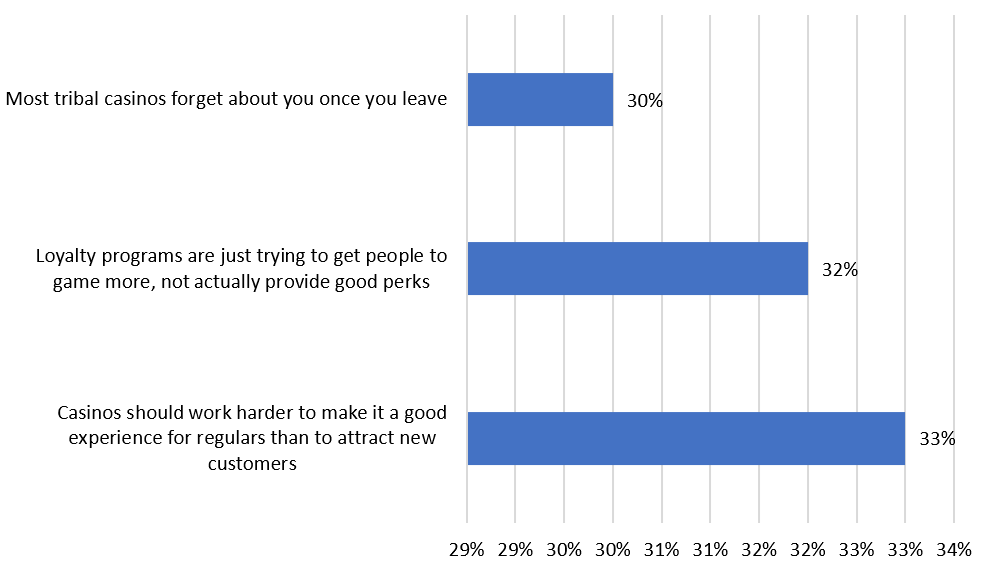
They want their history with a casino to matter, but doubt loyalty programs truly reward it.
Casinos are exceptionally good at measuring customer value: visits, play, spend and changes over time.
Customers, however, experience only what the casino does with that information.
Measuring loyalty and making guests feel loyal are not the same thing.
A longtime guest should not feel continually reacquired, yet retention marketing often resembles acquisition: another offer, promotion or incentive for the next trip.
The question is not simply how much more a loyal customer receives, but whether tenure feels different.
Recognition, convenience, access and service tied to relationship history may communicate loyalty better than a richer incentive.
When Personalization Stops Feeling Personal
Personalization creates a similar tension.
Marketers have refined the right-message, right-customer, right-time model, often creating genuine value.
But more personalization is not automatically better.
The Personalization Tension
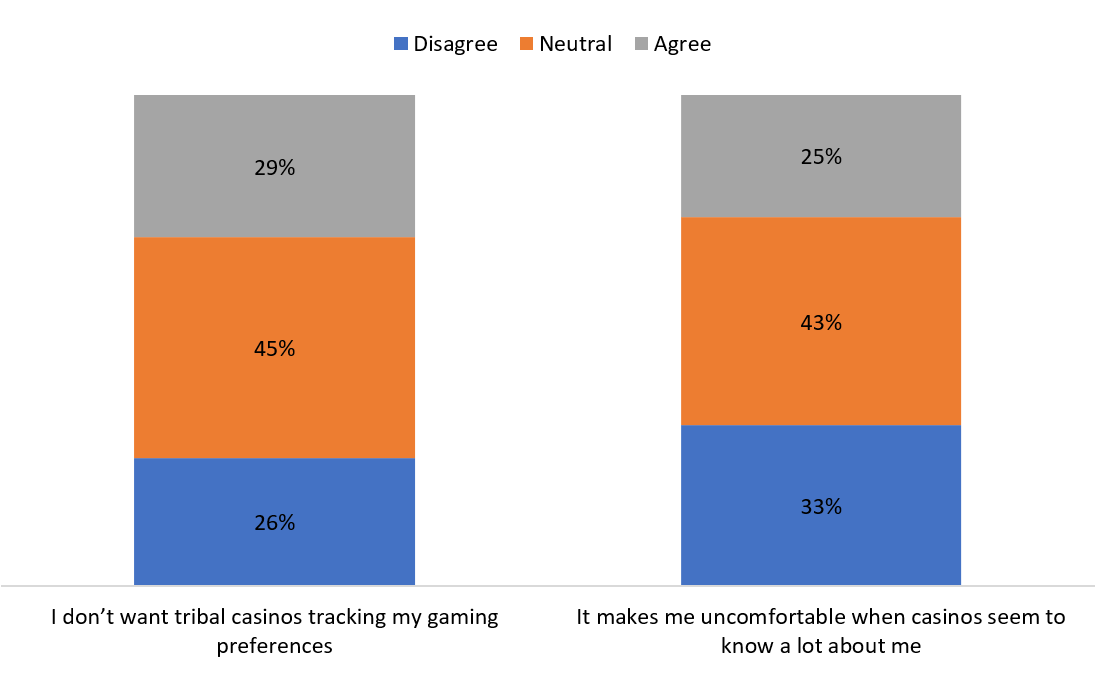
Nearly three in ten do not want casinos tracking their gaming preferences, and one-quarter are uncomfortable when casinos appear to know a lot about them.
Casinos need not stop using data, but its value must be visible to the customer.
When data produces better service, fewer irrelevant messages, easier experiences or meaningful recognition, personalization feels useful. When it produces only another targeted promotion, it feels transactional or intrusive.
The industry is good at asking, “What do we know about this customer?”
Seasoned Skeptics suggest a more important follow-up:
“What does the customer get because we know it?”
Skeptical Doesn’t Mean Lost
Skepticism does not mean disengagement.
It is directed more at casino marketing and the customer relationship than at the casino experience itself.
Research Snapshot: They’re Still Available to Be Won
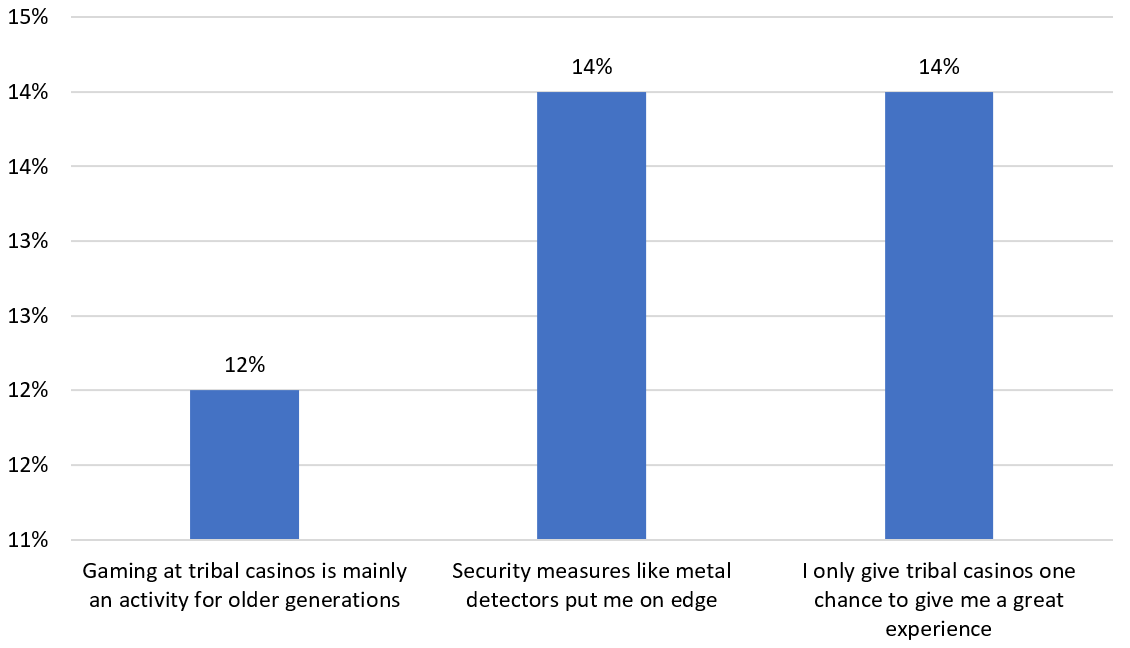
Most do not see tribal gaming as outdated or object to visible security, and nearly half reject giving a casino only one chance to deliver a good experience.
They are still in the market; their threshold for being impressed has simply risen.
Unlike newer customers, they have seen the drawing, received the multiplier and birthday offer, and joined multiple loyalty programs.
Their skepticism may signal sophistication, not disengagement.
Reaching this group—more than one-third of surveyed consumers—is a significant opportunity.
What Seasoned Skeptics Are Really Telling Operators
The next evolution of casino loyalty may be less about a better program and more about a more valuable relationship.
| What Seasoned Skeptics Are Telling Us | What It Means for Operators |
| “Casinos all do the same things.” | Differentiation has to extend beyond promotions. |
| “Loyalty programs are designed to make me play more.” | Make the value exchange more visible. |
| “Regular customers deserve more.” | Recognition should grow with the relationship. |
| “Don’t track me just because you can.” | Personalization needs to create obvious customer value. |
| “I’m skeptical, but I’m still here.” | This is a winnable audience, not a lost one. |
For years, the industry has advanced through better databases, segmentation, targeting and personalization.
Those capabilities still matter, but the next advantage may lie beyond marketing optimization.
If experienced customers think casinos look alike, a better version of the same promotion will not differentiate them. Another benefit may not restore faith in loyalty programs, and more data will not necessarily strengthen the relationship.
The opportunity is to improve what customers experience because they are loyal.
Does being a five-year customer feel different from being a five-month customer? What does a regular receive that a competitor cannot copy? Where does customer data make the experience easier or better? What proves the casino is genuinely different?
Seasoned Skeptics have not stopped believing in casinos; they are simply less willing to accept industry promises at face value.
They do not need more marketing. They need more reasons to believe the relationship is worthwhile.
At Catalyst Marketing, we’re here to help you stay ahead of the latest trends and advertising opportunities. We partner with Native American casinos to build adaptive, resilient strategies that drive sustainable growth.
Want to learn more? Catalyst is here to help. Contact us at info@teamcatalyst.com.