

The Casino Communication Debate
Recently, we were talking with the leadership team at iPost about how communication preferences continue to evolve. The conversation covered everything from email deliverability and engagement to rising postage costs and the growing role of mobile messaging.
Following that conversation, we revisited our national tribal casino guest survey to see what the data could tell us about how guests actually prefer to hear from their favorite properties. We combined those findings with visitation data from more than 100 tribal casinos nationwide to better understand how communication preferences align with today’s casino audiences.
The results confirmed an important takeaway: there is no one-size-fits-all communication strategy.
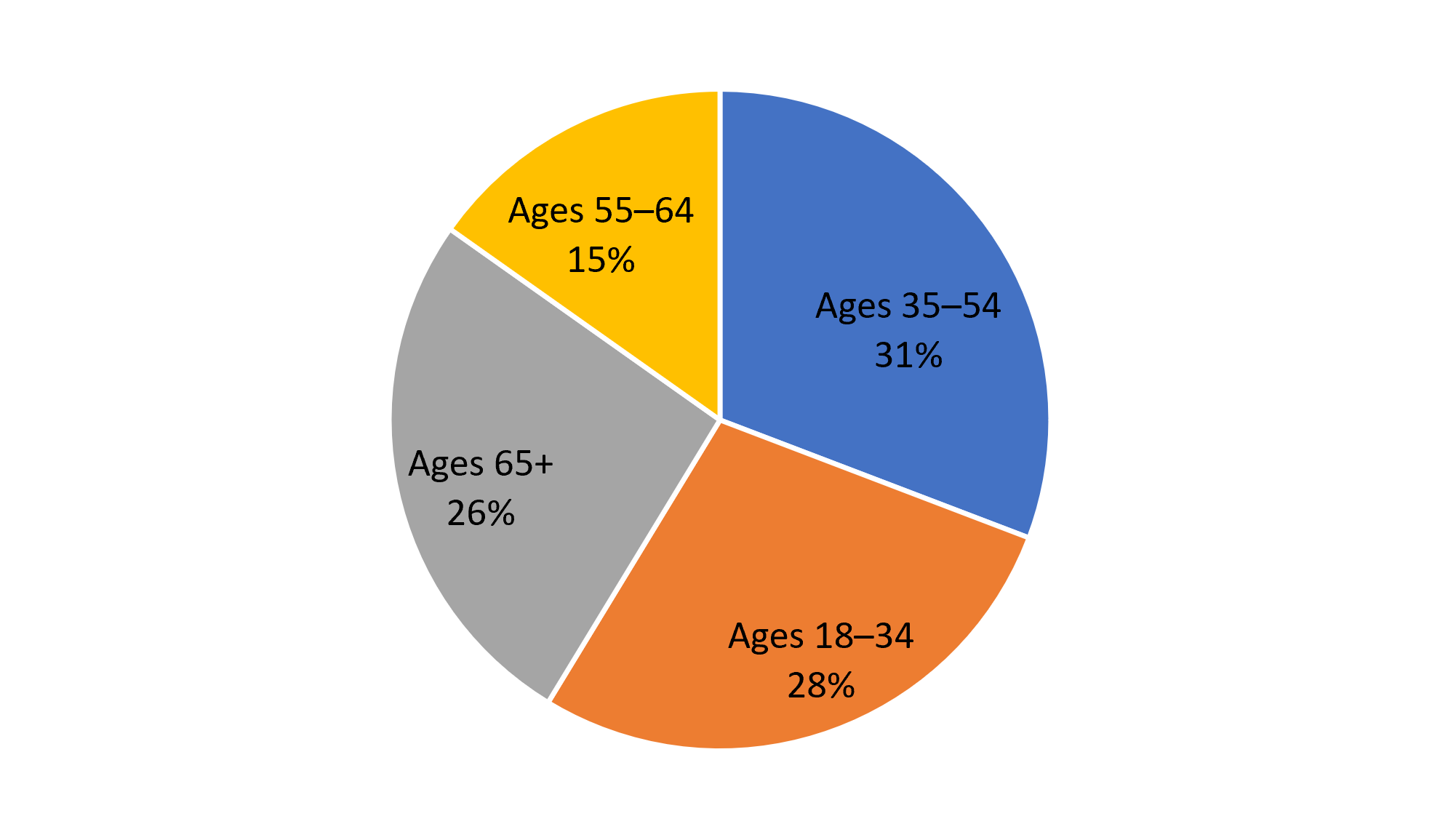
The tribal casino audience spans every generation. After normalizing the data, guests ages 35–54 represent the largest visitor segment (31%), followed by ages 18–34 (28%), guests 65+ (26%), and ages 55–64 (15%). The mix is remarkably balanced, reinforcing that no single communication channel can effectively reach every guest.
In other words, if your communication strategy is “everyone gets the same thing,” you’re probably making at least one generation roll their eyes.
Email Is Still the MVP
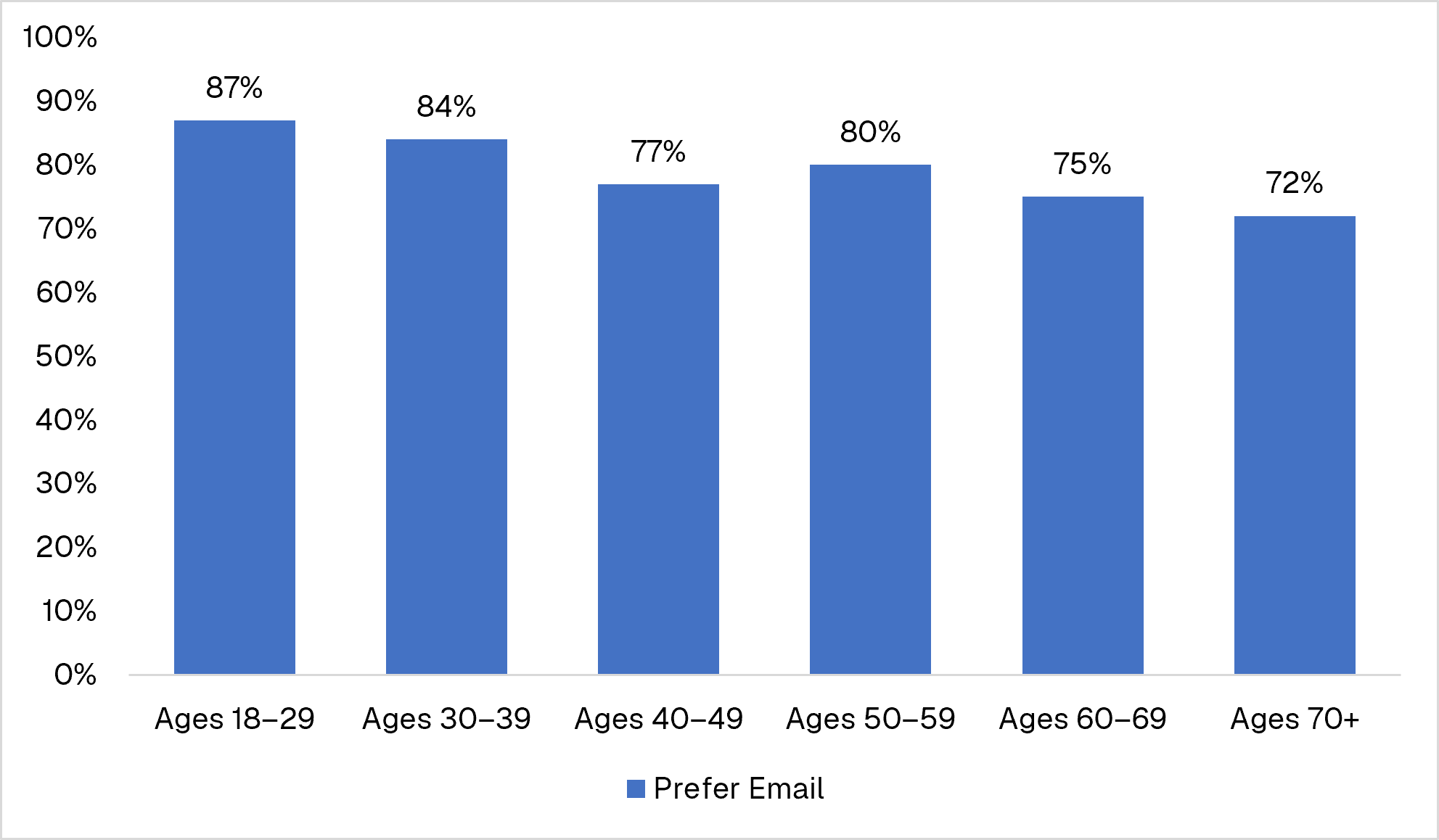
Email is the closest thing tribal casinos have to a universal communication channel. Across every generation, it ranks as the preferred way for guests to receive casino communications.
Email may not be the newest marketing channel, but it’s become the Swiss Army knife of casino marketing. It reaches nearly everyone, costs relatively little, and when done well, doesn’t require a stamp or a push notification at 9:00 p.m.
Its value also extends well beyond gaming offers. Guests who prefer email are active throughout the property, making it an ideal way to promote restaurants, hotel stays, entertainment, nightlife and retail.
- 83% visit restaurants or dining outlets
- 53% visit bars or lounges
- 42% stay overnight
- 36% attend entertainment or concerts
- 21% shop during their visit
For most casinos, email should serve as the foundation of the communication strategy, with other channels supporting it based on guest preference and behavior.
Direct Mail Isn’t Dead, It’s Just More Selective
Every few years someone declares direct mail dead.
The data suggests otherwise.
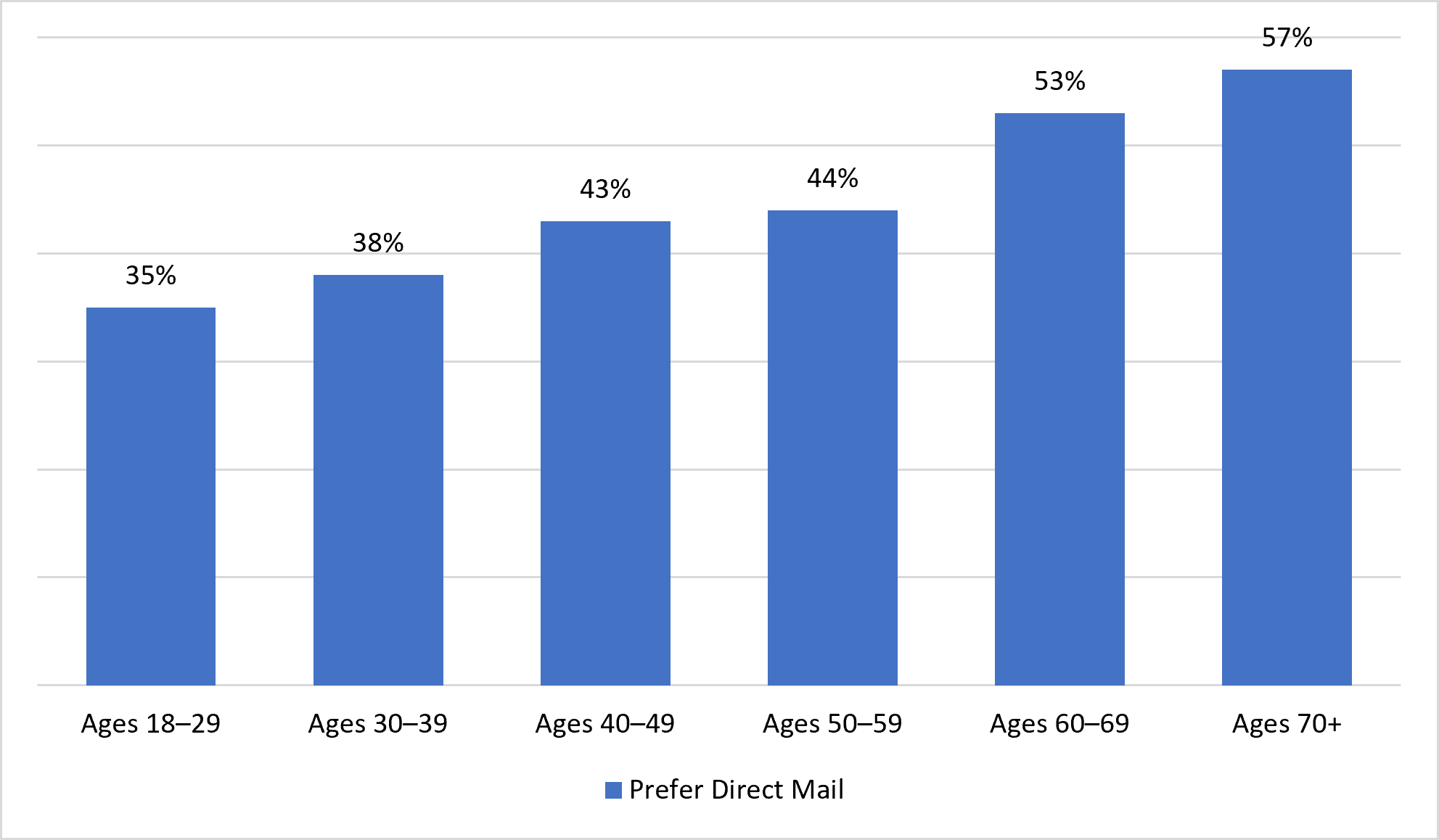
Preference for direct mail steadily increases with age, making it one of the most effective ways to reach older casino guests.
This is especially important because adults age 55 and older account for nearly one-third of average tribal casino visitation. At many regional and rural casinos, the 65+ audience represents one of the property’s largest and most valuable customer segments.
- 84% visit restaurants or dining outlets
- 47% visit bars or lounges
- 43% stay overnight
- 37% attend entertainment or concerts
- 20% shop during their visit
Rather than eliminating direct mail, casinos should become more strategic about where they use it.
Premium offers. Hotel packages. High-value players. Reactivation campaigns.
These are the communications where physical mail continues to earn its place.
Direct mail isn’t outdated; it simply has a smaller guest list than it used to.
Mobile Apps Help Build the Next Generation of Guests
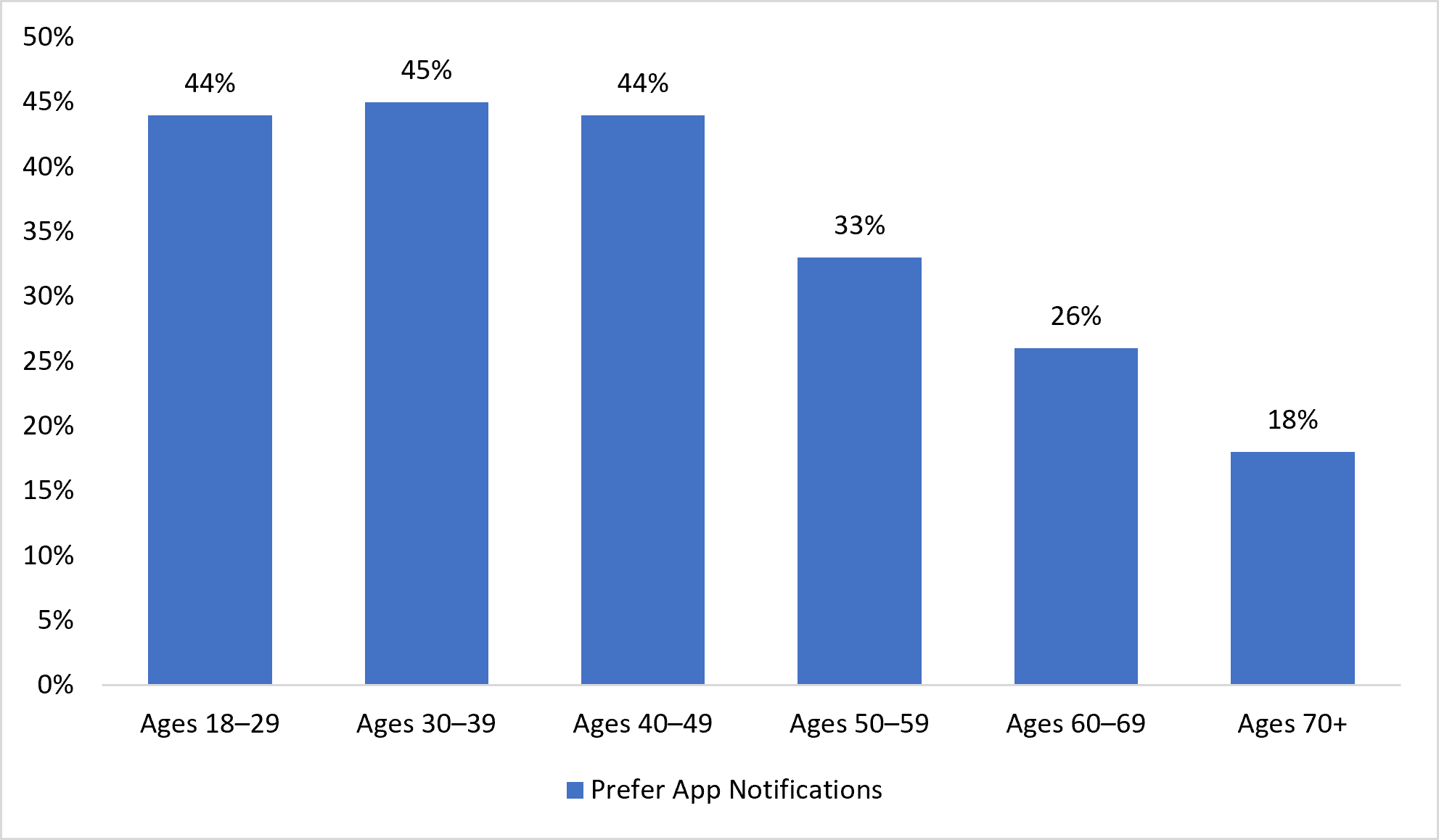
Casino apps tell the opposite story.
Preference is strongest among younger adults and gradually declines with age, making mobile one of the best ways to engage tomorrow’s core casino audience.
These guests also participate more frequently across resort amenities.
- 59% visit bars or lounges
- 46% stay overnight
- 41% attend entertainment or concerts
- 27% shop during their visit
- 14% use spa services
- 9% use meeting or event spaces
If your casino app only gets opened when someone forgets where they parked, there’s probably room for improvement.
Apps shouldn’t be viewed simply as a lower-cost replacement for direct mail. They’re an opportunity to promote entertainment, nightlife, hotel stays, dining, and experiences that encourage guests to visit more often.
The Best Strategy Uses More Than One Channel
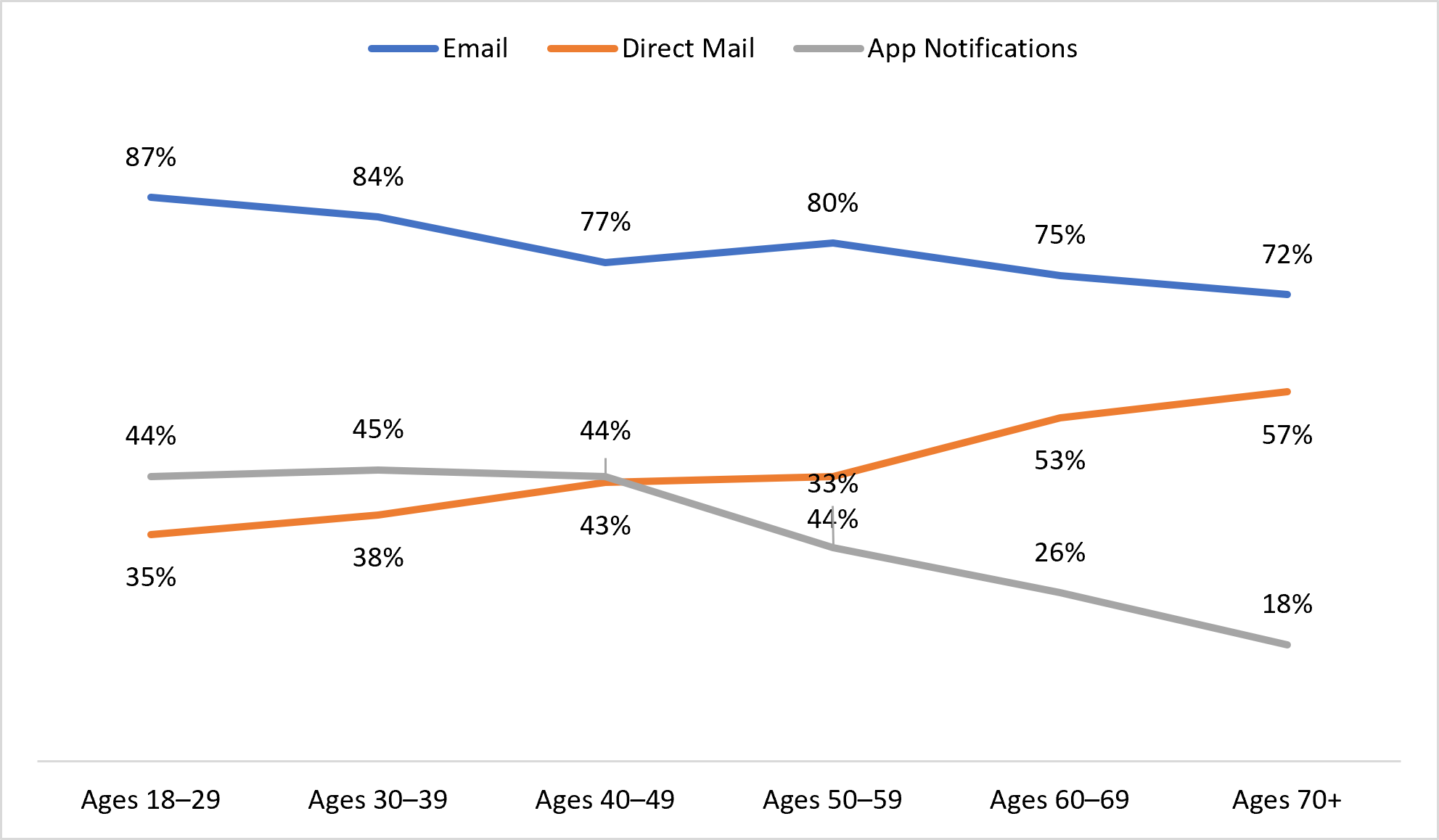
The largest visitor segment, guests ages 35–54, illustrates why communication planning has become more complex.
- Email remains the primary channel.
- App usage stays relatively strong among younger adults.
- Direct mail becomes increasingly valuable as guests get older.
Think of it like the casino floor. You wouldn’t expect every guest to play the same slot machine, so why would you expect everyone to respond to the same communication channel?
The strongest communication programs coordinate multiple channels instead of forcing every guest into the same marketing journey.
Start With the Guest, Not the Calendar
Many marketing departments still organize communications around separate email calendars, direct-mail calendars and mobile notification schedules.
A better approach begins with the guest.
Before deciding how to communicate, marketers should consider:
- How the guest prefers to be contacted
- Their value to the property
- Past response behavior
- Resort amenity usage
- The expected return on each communication
When communication decisions are driven by guest behavior instead of internal calendars, marketing becomes more relevant, more efficient, and ultimately more profitable.
Final Thoughts
Casino marketers have spent years debating which communication channel is best.
The data suggests that’s the wrong question.
Email isn’t replacing direct mail.
Apps aren’t replacing email.
Guests are simply telling us they want different things.
The most successful casinos won’t build their communication strategy around channels. They’ll build it around people.
After all, the goal isn’t to win the argument about email versus direct mail versus mobile.
The goal is to get guests back through the front door.
At Catalyst Marketing, we’re here to help you stay ahead of the latest trends and advertising opportunities. We partner with Native American casinos to build adaptive, resilient strategies that drive sustainable growth.
Want to learn more? Catalyst is here to help. Contact us at info@teamcatalyst.com.